no voice recordings of loved one
What If You Have Only Photos and No Voice Recordings?
If you have no voice recordings of a loved one, photos, stories, phrases, and family memories can still preserve their presence.
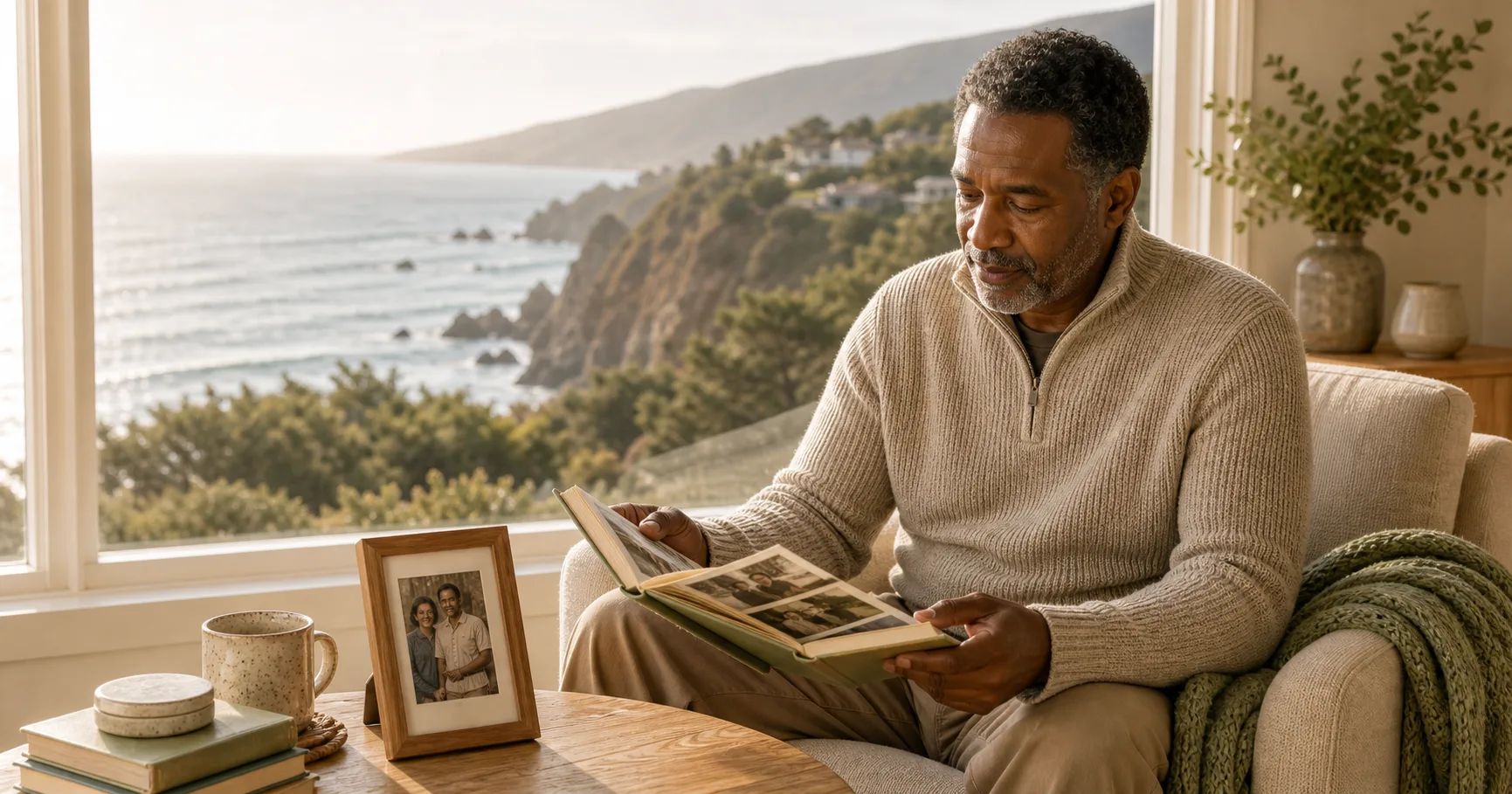
It can hurt to realize you have no voice recordings of someone you love.
Maybe they died before smartphones were everywhere. Maybe they never left voicemails. Maybe old messages were deleted before you knew they would matter. Maybe you have photos, but not the sound of their laugh, their greeting, their accent, their way of saying your name.
That absence can feel like losing them twice. First the person, then the sound.
If you have only photos and no voice recordings, your grief is allowed to ache for what is missing. And there are still ways to preserve their presence with care.
Let yourself grieve the missing sound
Do not minimize it. Voice is intimate. It carries breath, rhythm, humor, impatience, tenderness, and personality. Wanting to hear them is human.
You may feel envy when others have voicemails. You may feel regret. You may replay the last time you heard them and wish you had recorded it. Be gentle with that regret. Most ordinary moments are not recorded because we do not know they will become precious.
The lack of a recording does not mean the relationship is less real. It means one kind of trace is missing.
Write how they sounded
Description can hold more than you might expect.
Write down:
- Was their voice soft, loud, raspy, quick, slow, musical, dry, formal, teasing?
- Did they use nicknames?
- Did they laugh before finishing a sentence?
- Did they call from another room?
- Did they hum, whistle, cough, sigh, or clear their throat in a familiar way?
- What phrases did they repeat?
You might write, "He always sounded like he was smiling when he said hello," or "Her voice got sharper when she was worried," or "They said my name in two syllables when they were teasing me."
These sentences cannot replace audio, but they can protect memory.
Ask others what they remember
Other people may remember the voice differently. Ask specific questions.
"How did Mom answer the phone?"
"What did Grandpa always say at the end of a visit?"
"Do you remember her laugh?"
"What phrase sounded most like him?"
"Would you record a voice note describing how they talked?"
Someone else's description may unlock your own memory. A cousin may remember a joke. A friend may remember a work voice. A sibling may remember the way they called everyone to dinner.
Save those descriptions. They are part of the sound archive, even without audio.
Use photos as doorways
Photos may not speak, but they can open stories.
Choose one photo and write:
- What was happening?
- What would they have said in that moment?
- What did their face sound like?
- Who took the picture?
- What happened before or after?
You can also ask family to identify people, places, and dates. If the person died long ago, even basic context can become precious.
Label photos while someone still remembers. Use plain captions. "Aunt May at the old house." "Dad holding the red mug." "Grandma before church." Specific is better than perfect.
Preserve phrases and handwriting
If there is no voice, other traces matter: handwriting, recipes, cards, notes, texts, emails, marked books, grocery lists, signatures, recipes, labels, and objects they touched often.
A handwritten note may carry rhythm. A recipe card may hold personality. A text message may show humor. A phrase repeated by family may keep their cadence alive.
Gather what you have. Do not dismiss it because it is not audio.
Be careful with invented voice
The pain of having no recording can make recreated audio sound tempting. Be cautious. A generated voice is not the person. It may create confusion, false comfort, or a sense of being spoken to by someone who cannot consent now.
Remayne is built for presence, not replacement. It can preserve real photos, stories, phrases, letters, and actual recordings when they exist. It should never pretend to recreate someone or speak for them as if they are alive. If there is no recording, Remayne can still help hold what is real: the stories, images, phrases, and details people remember.
The boundary protects the truth of the person you loved.
Make a memory from what remains
You can create a private page, folder, or box with:
- Favorite photos.
- Written voice descriptions.
- Phrases they used.
- Stories from family and friends.
- Objects or scanned keepsakes.
- Letters you write to them.
It may not be the archive you wish you had. It can still be meaningful.
If regret is loud
Regret often says, "I should have known." But ordinary life does not give warnings for every future ache. You did not fail because you did not record every voice. You were living the relationship, not documenting it for loss.
Start where you are. One photo caption. One phrase. One story from someone who knew them. One description of their laugh.
Something real is still here.
Make photos easier to revisit
If you have many photos, choose a small starter set instead of trying to organize everything. Pick ten images that feel most like them. Add one sentence to each: who, where, what you remember, or what their voice might have sounded like in that moment.
You can add more later. A small, captioned set can feel more alive than thousands of unnamed images. It gives your memory a handhold without asking you to finish an impossible task.
If the photos are painful, ask someone you trust to sit with you while you choose them. Memory work often feels different when another steady person is in the room.
Remayne is not therapy, medical care, or crisis support. If regret, loneliness, or the pain of missing their voice feels too heavy, consider a bereavement therapist, grief support group, clergy or community care, or someone you trust. If you might hurt yourself or feel unsafe, contact emergency services or a crisis line now; in the U.S., call or text 988.
Remayne is not therapy and does not replace bereavement care. If grief feels too heavy to carry alone, we encourage reaching toward trusted people and qualified professional support.
Begin when you're ready.
Join the private beta